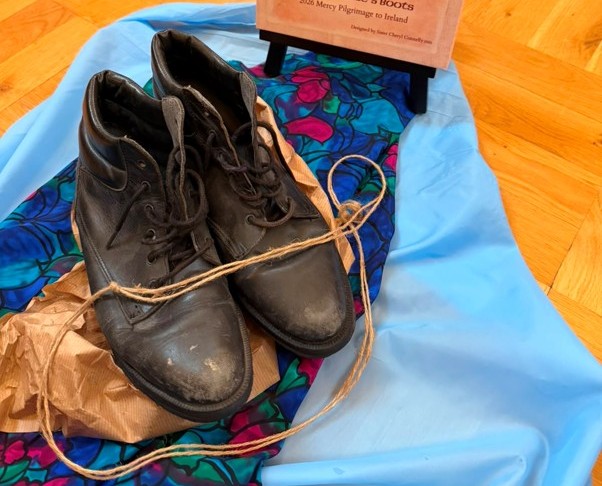
In Catherine’s Boots – A Mercy Pilgrimage to Ireland
In conjunction with the Sisters of Mercy of the Americas and Mercy Education USA, AMSSA was able to secure 5 places on the USA pilgrimage to Dublin in Ausgust 2026.
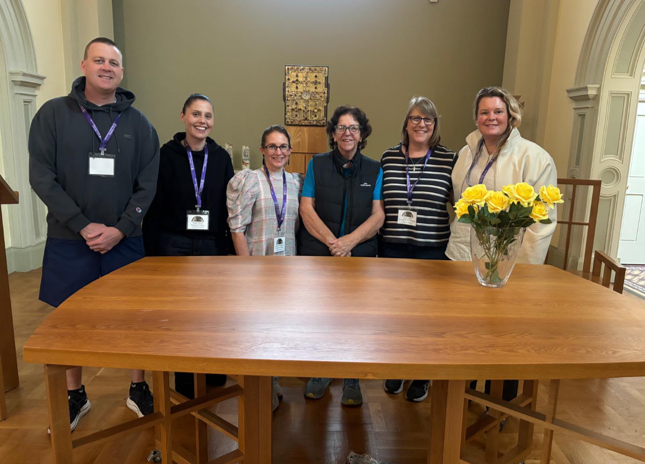
Five staff members from Damascus College, Ballarat, Monte Sant Angelo Mercy College, North Sydney, and OLMC Australind WA, were selected to attend this wonderful pilgrimage experience. The following reflection of the pilgrimage is from Naomi Olthof, Jennifer Henerson and Gavin Webb, all from Damascus College.
AMSSA would like to thank Sr Lisa Griffith RSM Executive Director Mercy Education USA, for making this experience possible for AMSSA staff members
Attending In Catherine’s Boots – A Mercy Pilgrimage to Ireland, was a deeply meaningful and reflective experience. Over four days, we had the opportunity to walk in the footsteps of Catherine McAuley and the early Sisters of Mercy, learning more about their vision, courage and commitment to serving others. The pilgrimage provided not only an insight into the history of the Sisters of Mercy, but also an opportunity to reflect on how Catherine’s values remain relevant today.
A significant highlight was visiting the first School of Mercy, established by Catherine McAuley on Baggot Street in Dublin in 1827. Standing in the place where Catherine’s vision began made the history feel very real. It was inspiring to consider that what began with Catherine’s response to the needs of poor and uneducated girls developed into an international movement that continues to touch the lives of many people.
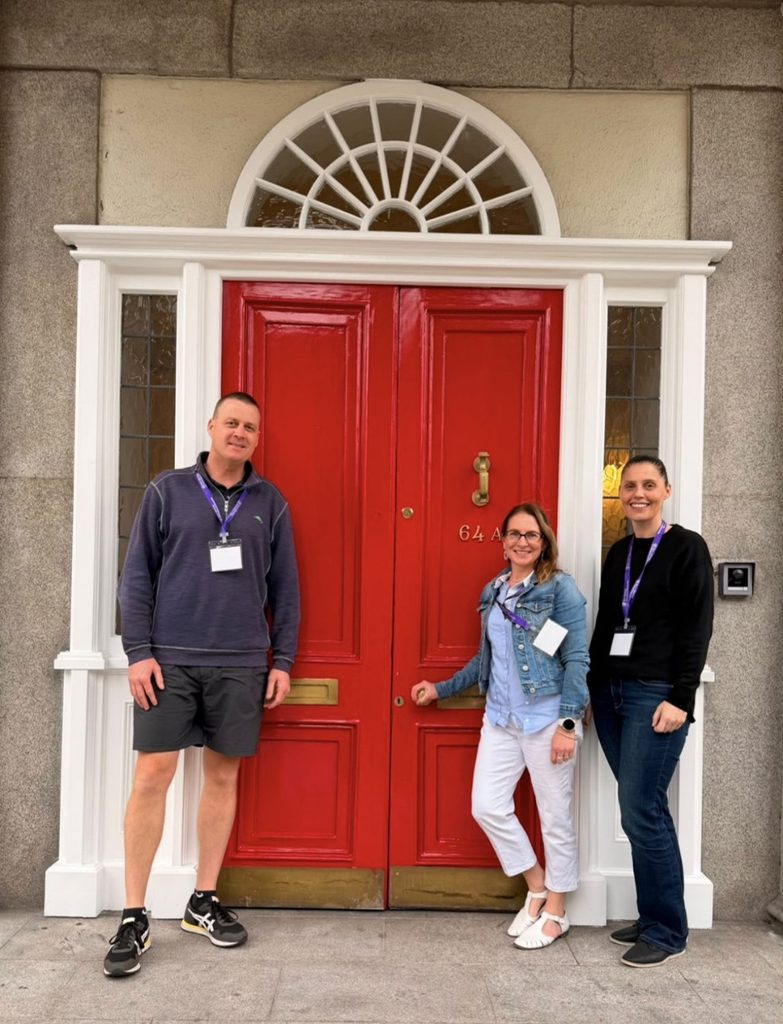
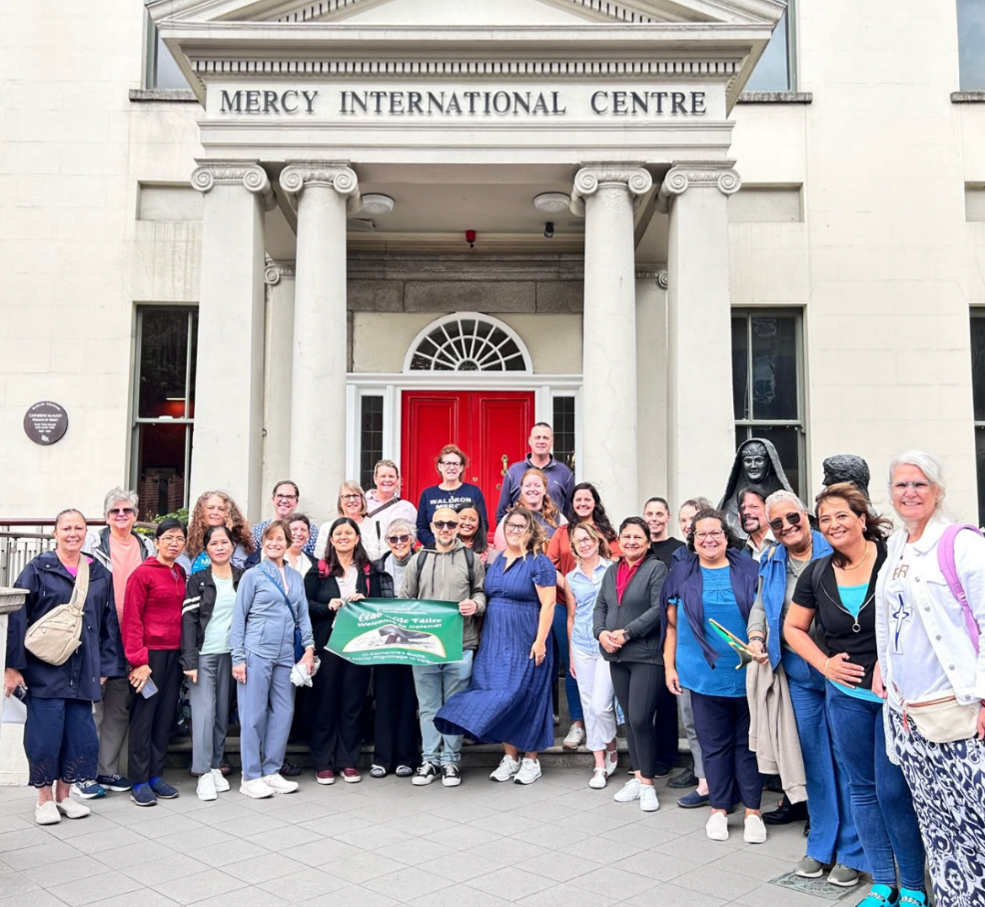
Our visit to the Mercy International Centre, along with the walking tour of Dublin, helped bring Catherine’s story to life. Following the footsteps of Catherine and the early Sisters of Mercy, including a visit to St Theresa’s Church in Clarendon Street, gave us a greater appreciation of the determination and practical compassion that characterised their ministry. Catherine did not simply see people as recipients of charity. She recognised their dignity and potential and sought to provide opportunities that could change their lives.
This was particularly evident in Catherine’s commitment to education. Her compassion was focused especially on girls and women who were poor, disadvantaged and denied educational opportunities. Rather than simply providing handouts, Catherine equipped women with skills and vocational education. She understood that education could empower people to build a different future for themselves and others. Her approach reminds us that genuine compassion is not about doing things for people alone, but about creating opportunities that enable people to discover their own abilities, dignity and potential.
The visit to Mercy College Coolock was another memorable part of the pilgrimage. Meeting the students, touring the school and being entertained by the girls provided a wonderful connection between Catherine’s original vision and the education of young women today. Seeing a school of approximately 400 girls helped demonstrate how Catherine’s belief in education continues to bear fruit. The enthusiasm and confidence of the students were a reminder of what can happen when young people are given opportunities, encouragement and a belief in their potential.
Our visit to Trinity College and Glendalough, associated with St Kevin, also enriched the pilgrimage by connecting us with Ireland’s broader spiritual, educational and cultural heritage. Each place added another dimension to the experience and encouraged us to think about the importance of faith, learning, community and service.
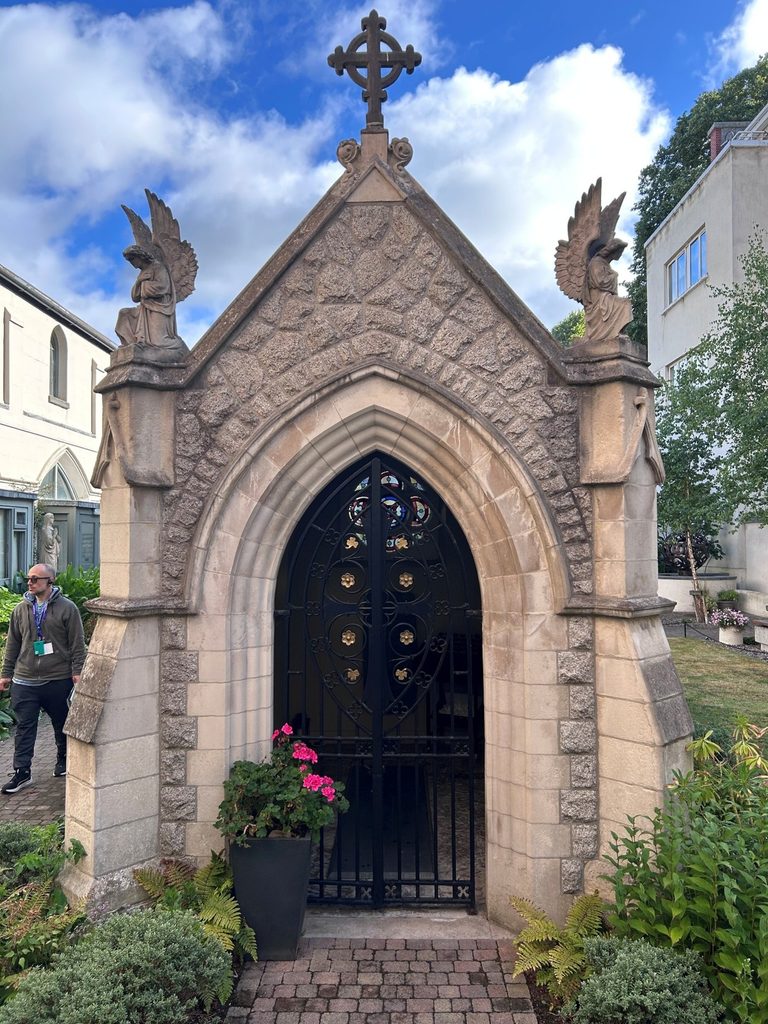
What we found most significant was Catherine’s understanding of compassion. For Catherine, compassion was not simply sympathy. It involved seeing the dignity of every person and responding to their needs with practical action. She believed that everyone deserved care, compassion and respect as a child of God. Her approach was both courageous and counter-cultural because she challenged the circumstances that kept women poor, uneducated and without opportunities.
Catherine’s belief that education should be counter-cultural, personalised and affirming particularly resonated with me. Education, in her vision, was much more than the transmission of knowledge. It was about recognising the individual, affirming their worth and providing the skills and confidence needed to participate fully in society. This challenged us to consider how education can continue to be a force for inclusion, empowerment and transformation.
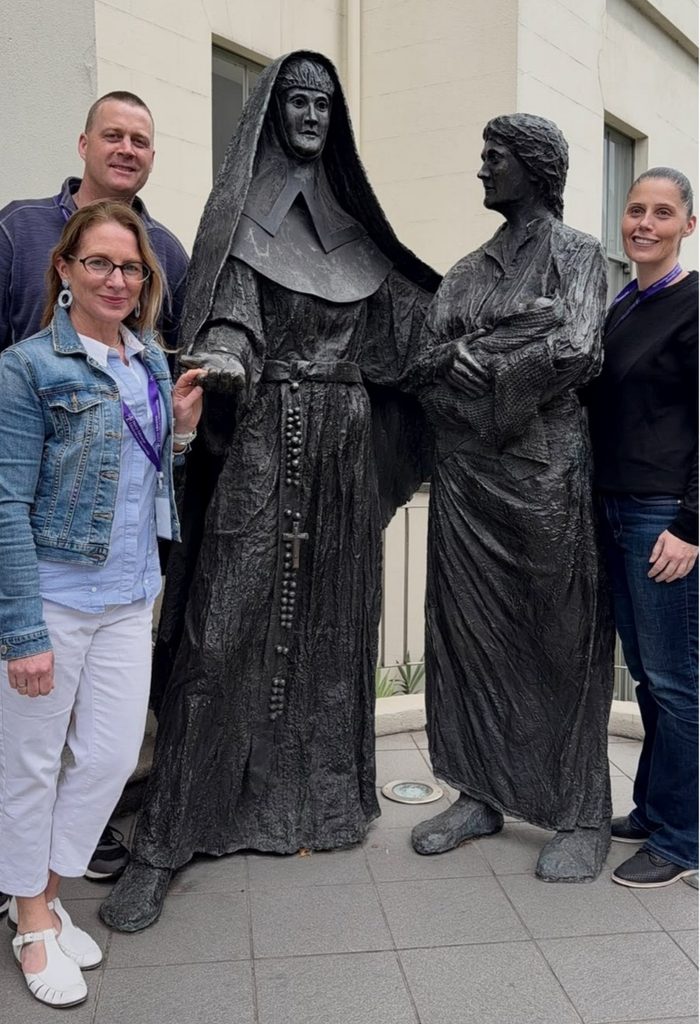
The pilgrimage also encouraged us to reflect on what it means to walk in Catherine’s boots today. We cannot simply replicate what Catherine did in 1827, but we can carry forward the values that shaped her response to the needs of her time. Her courage invites us to notice those who may be overlooked, to respond with compassion rather than judgement, and to create opportunities rather than simply offer assistance. Her commitment to education challenges us to ensure that every person is recognised as having potential and worth.
We returned from the pilgrimage with a deeper appreciation of Catherine McAuley and the legacy she created. More importantly, we came away with a renewed understanding that Mercy is not just something we receive or talk about; it is something we live. Catherine’s example demonstrates that compassion, when combined with courage, education and practical action, can transform individuals and communities.
Walking through Dublin, visiting the places where Catherine lived and worked, and meeting young women who continue to benefit from a Mercy education made the past feel connected to the present. In Catherine’s Boots was therefore much more than a journey through Ireland. It was an invitation to reflect on our own responsibility to live Catherine’s values of compassion, dignity, education, empowerment and respect—and to consider how we can continue to walk in her boots in the world today.