
Mercy Day And The Story We Carry Forward- Santa Maria
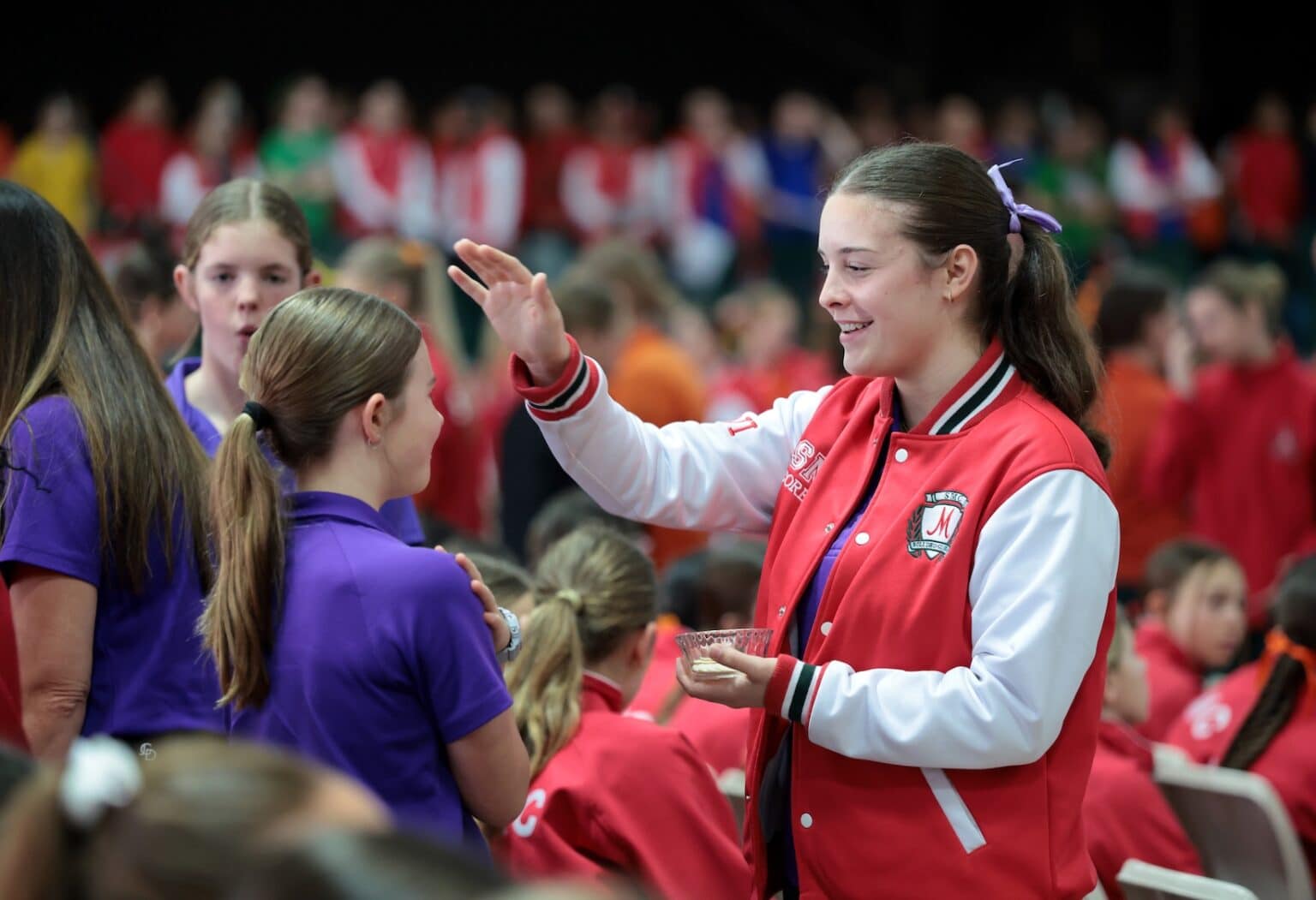
Mercy Day is one of the highlights of my year because the whole College comes together, responding with compassion to make a difference in the lives of others. In a world often focused on self, Mercy Day is focused on others. I want to share one moment from Mercy Day. It captured what I value most about the day.
At one point, I stood back and watched our students and staff and thought, ” This is what belonging to a Mercy community looks like”. There was so much joy, but also a real sense of purpose. Everyone was there to support the work of Mercy and make a difference for others.
It is a day when we see so many of our Mercy values in action, with staff and students united by a shared sense of purpose.
Mercy Day falls in September because Catherine McAuley opened the first House of Mercy on Baggot Street in Dublin on 24 September 1827. Having witnessed poverty and the lack of opportunities for women and children, Catherine used an inheritance to create a place where children could be educated and women could find shelter and learn skills for work.
In 1831, she and her first companions professed their vows and the Sisters of Mercy were founded. They became known as the walking nuns because they went out into the community to care for people in need. Their work travelled far beyond Dublin. Ursula Frayne led the first Sisters of Mercy to Western Australia in 1846, establishing Mercedes College, and later opened Santa Maria College in 1938.
Mercy is an expression of our care for those in our community who are marginalised. It is living our values, which promote the dignity and worth of all human beings. To be a person of Mercy means to be ready to be kind and forgiving to everyone. It means welcoming others, looking out for others in need and, where possible, doing something about it. It can be easy to get caught up in the demands of daily life and lose sight of others’ needs.
Who We Are Supporting
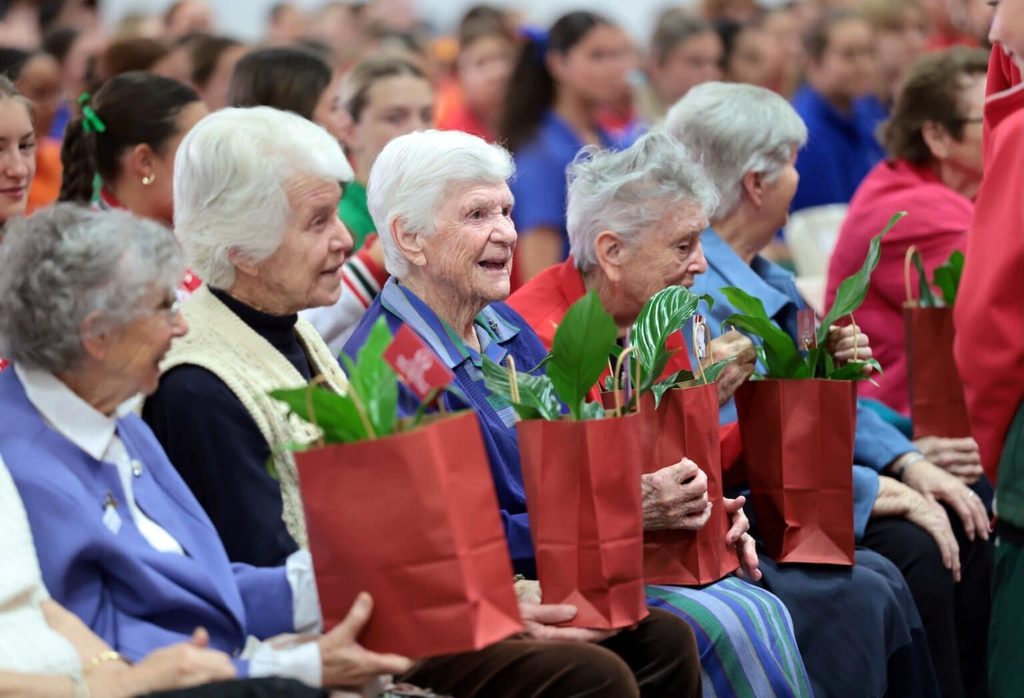
We began with Mass, where we remembered Catherine McAuley and welcomed ten Sisters of Mercy, before announcing the McAuley Shield at Assembly. The College was then filled with stalls and activities.
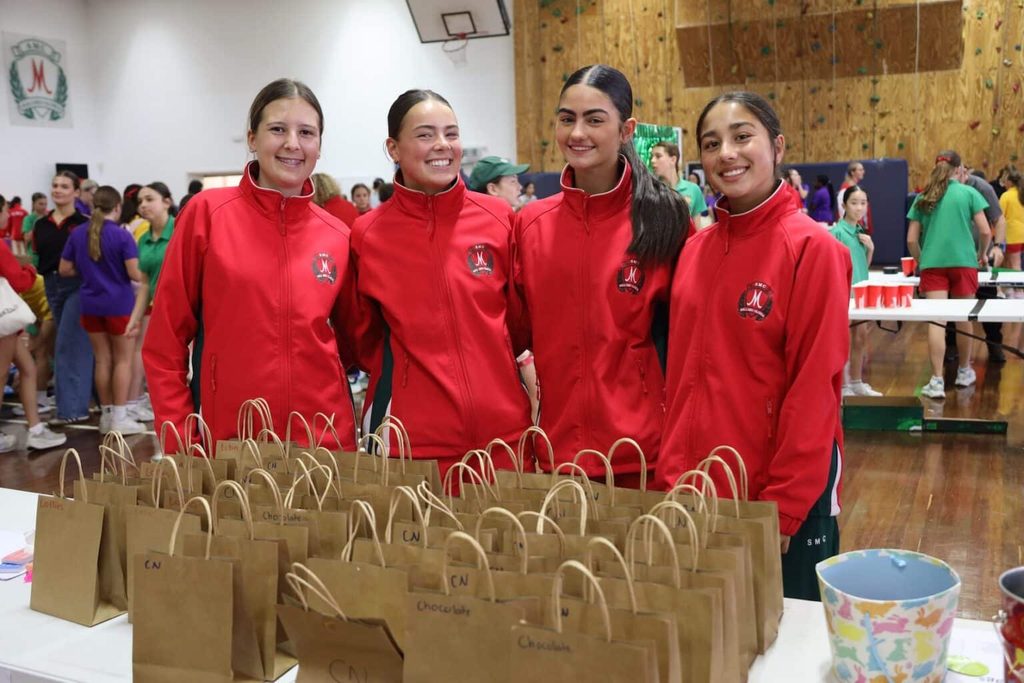
Our students usually raise approximately $20,000 for people they will never meet. Students plan the Mercy Day stalls and activities themselves, and families add to what they raise by ordering McAuley Roses for their daughters. This year, we are supporting the following Mercy organisations.
- Mercy Works, Street Children Program, Papua New Guinea. This program provides education, meals and healthcare for children living on the streets.
- Catherine McAuley Services, Cook Houses Project, Papua New Guinea. This project provides safe cooking facilities and clean water for families.
- Mercy Care, Western Australia. This work helps asylum seekers and refugees settle in WA by providing English classes, driving lessons and childcare.
Nearly 200 years after Catherine acted on what she saw in Dublin, our students are learning to do the same in ways that are practical, generous and meaningful.
Thank you to our students for the weeks of planning behind the day, and to our staff for supporting them.
Remember, Celebrate and Renew
This year, our Mercy Day also comes as Mercy communities around the world prepare to begin a significant year, the 200th anniversary of the first House of Mercy in Dublin.
Mercy International Association describes it as a year to remember, celebrate and renew.
Mercy Day is a day to give thanks for Catherine and for everyone who has carried her work forward since. It also reminds us of what her example continues to ask of us. Notice the person in front of you and do something about it.
On Mercy Day, we remembered where we have come from, at Mass and in the story of Catherine, and we celebrated where Mercy is present today in our students’ energy, service, and generosity. The third part, renewing, belongs to the year ahead. For a school, much of that answer can be seen in the choices our students make. The girls who filled the College on Mercy Day will help carry Mercy into its third century, and I am proud of the way our students are doing that.


